

Associates
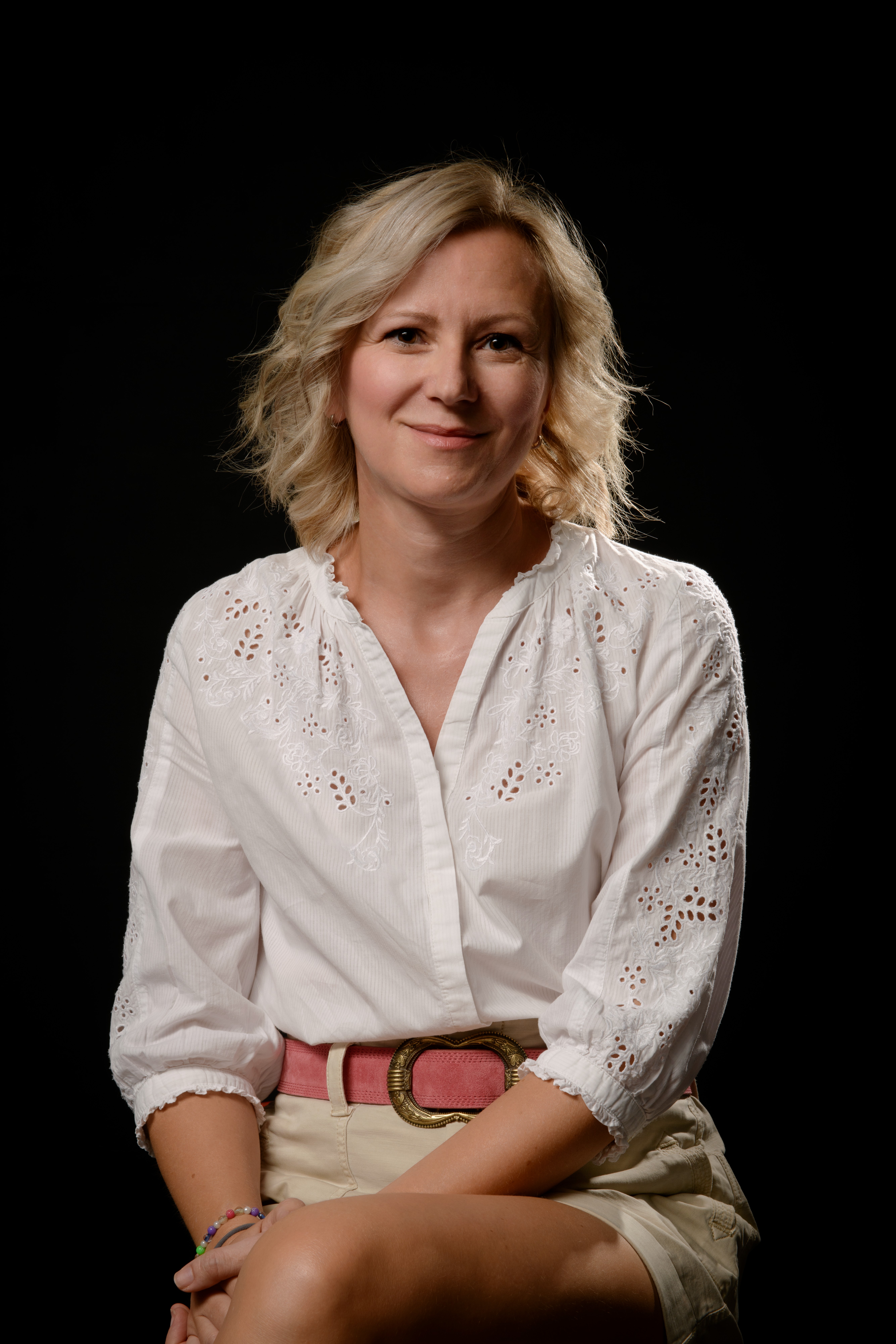
Marina Kotrla Topić, PhD, Senior research associate
Leader of the DigiLitA research project Marina Kotrla Topić is a senior research associate at the Ivo Pilar Institute of Social Sciences.
She has obtained her PhD in 2012 at the University of Zagreb.
Her research interests include early cognitive development, research on the use of digital media in children in early and middle childhood, and research on reading from the screens of digital devices.
In addition to the methodology of survey research, he has extensive experience in conducting qualitative research.
Marina was a member of the research team on the projects “Personality Traits and Natural Language” and “Personality Traits, Natural Language and Cognitive Development”. She was a member of the Steering Committee of the COST action “IS1410: The digital literacy and multimodal practices of young children (DigiLitEY)” and the COST action “IS1404: Evolution of reading in the age of digitalization (E-READ)”. She was the leader of the project “The connection between the use of digital media and the family literary environment with the language skills of preschool children” (DIGILIT), funded by the Ivo Pilar Institute. Also, she was the leader of the Croatian section of the research “Young children (0-8) and digital technology” (European Commission, Joint Research Center, Institute for the Protection and Security of the Citizen) as well as the leader of the Croatian section of the international research “KiDiCoTi: a new study on kids’ digital lives during COVID-19 lock-down”, coordinated by the Joint Research Center. She was also an associate on the Erasmus + project “ProWell – Protecting the mental well-being of our children during and after public health emergencies – digital training for teachers and educators”. She is a member of the editorial board of “Education and Technologies Journal” in Sofia, Bulgaria. Currently, she is an associate on the projects “Digital technology in the family: patterns of behaviour and effects on child development” (D.E.C.I.D.E.) and “Child Welfare in the Context of the Family (CHILD-WELL)” funded by the Croatian Science Foundation.
She is a member of the International Society for the Study of Behavioral Development (ISSBD), the European Association for Developmental Psychology (EADP), the Croatian Psychological Chamber, and the Croatian Psychological Society.
She is the editor of five conference proceedings, and independently or in co-authorship has published 34 scientific papers, three book chapters, and one scientific book.
Marina Kotrla Topić has participated in many international conferences with 79 presentations, and domestic scientific and professional conferences with three presentations. She was a member of the program-organizing committees of four scientific-professional conferences, two of which were international.
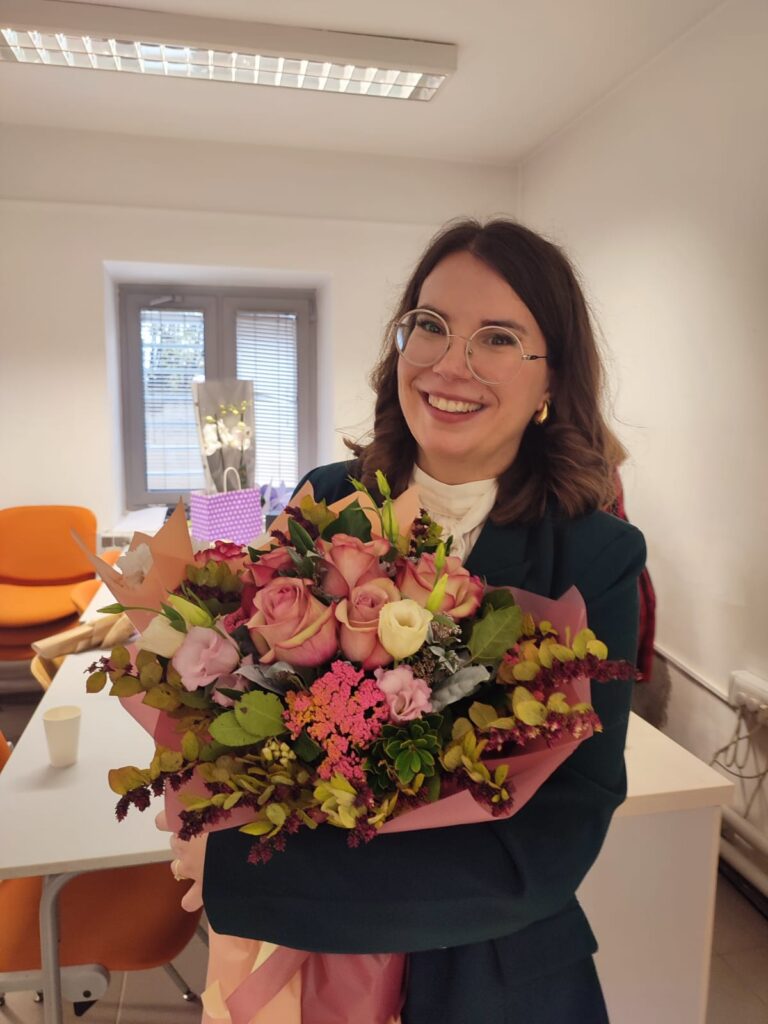
Katarina Perić Pavišić, PhD, senior research assistant
Katarina is employed at the Ivo Pilar Institute of Social Sciences in Zagreb since 2019.
She obtained her PhD in 2023 at the postgraduate university doctoral study of Preventive Science and Disability Studies with the topic " The role of parental mediation in the prevention of problematic internet use among children in early adolescence".
Her research interests lie in the field of child and youth well-being, parental behaviors, and the prevention of problematic behaviors, particularly related to the use of digital technology devices and the internet.
She has published 11 scientific papers so far, with two more in the process of publication and one under review. She has presented papers at 35 domestic and international scientific conferences. She has worked as a collaborator on nine scientific projects, including two projects of the Pilar Institute, three projects in collaboration with the economy, state administration bodies, and local and regional government units, civil sectors, and non-governmental organizations, two projects funded by the European Social Fund, one project of the Catholic University of Croatia, and one project of the Croatian Science Foundation.
As an external collaborator, she participates in teaching several subjects at the Catholic University of Croatia. She has also been involved in organizing five domestic and international scientific-professional conferences, as well as editing one conference proceedings. She is a member of the Croatian Psychological Chamber, the European Association for Research on Adolescence (EARA), and the Quality Assurance Committee at the Catholic University of Croatia.
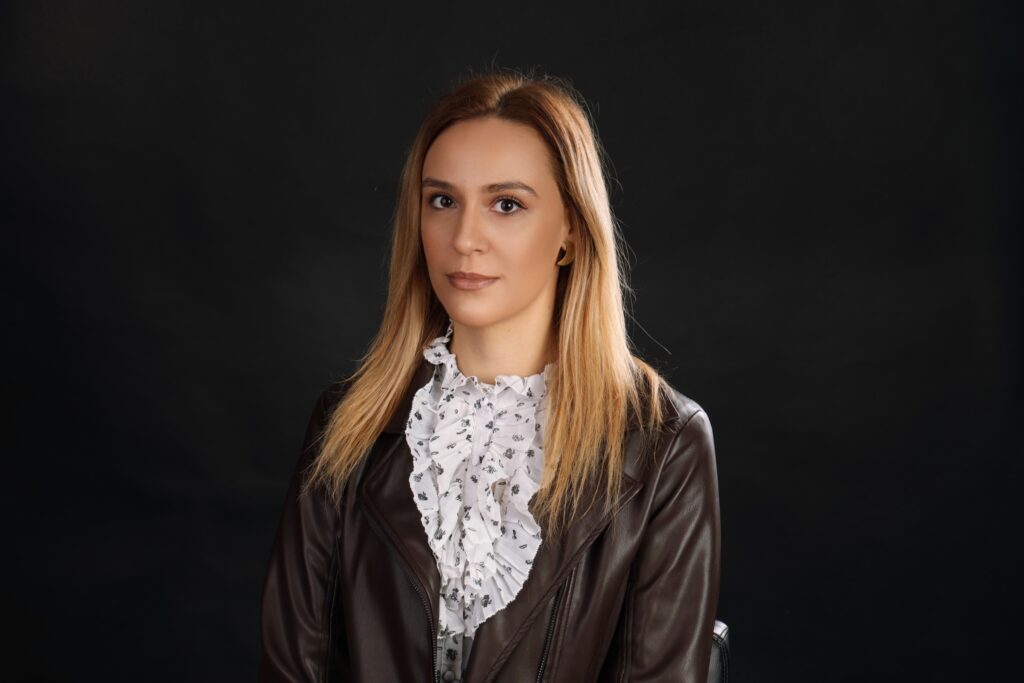
Maja Kućar, mag. psych, research assistant
Maja Kućar received her M.A. in psychology in 2018. at the University of Rijeka.
Her research interests include the relationship between digital technology use and cognitive functions in the period of middle childhood and adolescence, and the relationship of personality and cognition in prediction of academic success.
From 2019. to 2021. she worked as a school psychologist in two vacation high schools and since 2020. as an associate at the Faculty of organization and informatics. She works at the Ivo Pilar Institute of Social Sciences since 2022.
She is currently in her third year of postgraduate study in psychology at the University of Zagreb. Her PhD thesis focuses on the relationship of children's digital technology use and executive functions.
Maja is a member of the COST projecta TraFaDy (Transnational Family Dynamics in Europe).
She also works at the University North in two courses related to human psychological development and psychology of education.
she authored or co-authored five scientific papers and presented over 20 conference presentations in Croatia and abroad. She is a member of the Croatian Psychological Chamber.
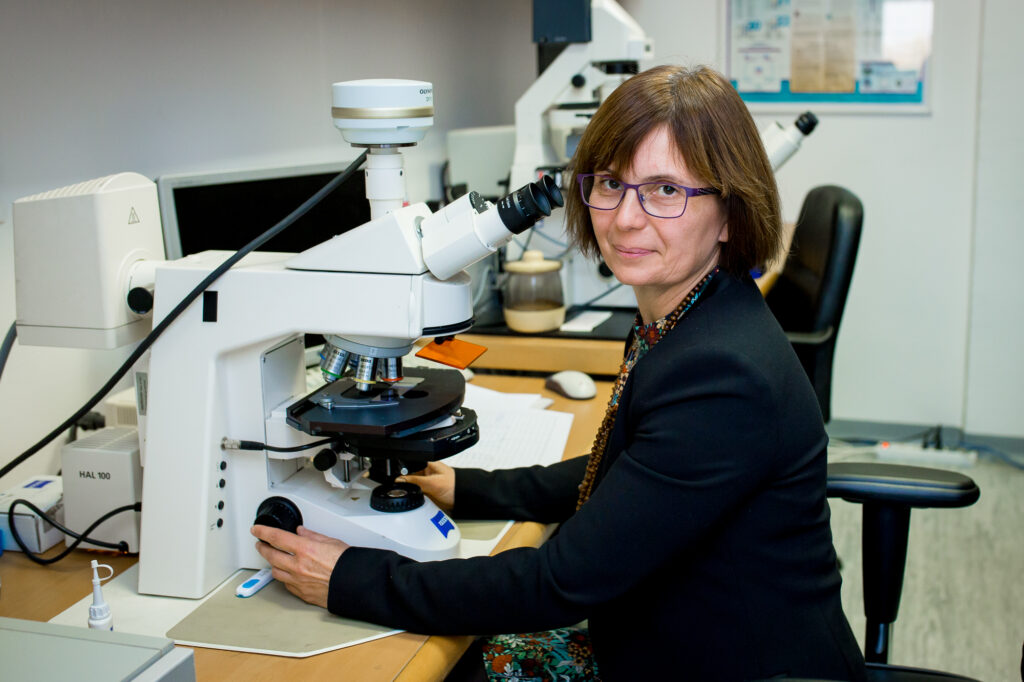
Prof. Ph.D. MD Marija Heffer, full professor
Marija Heffer, PhD, is the head of the Department of Medical Biology and Genetics at the Faculty of Medicine in Osijek.
She earned her Ph.D. in 1996 at the University of Zagreb.
From 1990 to 2011, she was employed at the Faculty of Medicine in Zagreb as an assistant at the Department of Chemistry and Biochemistry, and later as a postdoctoral fellow and assistant professor at the Department of Biology. Since 1998, she has been working at the Faculty of Medicine in Osijek, where she teaches courses in Medical Biology, Fundamentals of Neuroscience, and Medical Genetics. Since 2002, she has been the head of the Department of Medical Biology and Genetics at the Faculty of Medicine, where she established the Laboratory of Neurobiology. Since 2016, she has been a tenured professor (Biomedicine and Health, Basic Medical Sciences, branch of Neuroscience, and branch of Human Genetics, Genomics, and Proteomics) at the University of J. J. Strossmayer Osijek.
She has undergone training at international institutions such as Johns Hopkins School of Medicine, Baltimore, USA (postdoctoral studies), and the School of Medicine at Yale University, New Haven, Connecticut, USA (visiting scientist).
She has led several domestic projects: 6 institutional, 1 university, 2 projects of the Croatian Science Foundation (IP-09-2014 and the young scientist career development project), 3 projects of the Ministry of Science, Education, and Sports of the Republic of Croatia. She was the leader of 2 RECOOP–Cedars-Sinai projects for senior scientists and collaborated on 4 others. She is a collaborator of the Center of Excellence "Experimental and Clinical Research of Hypoxic-Ischemic Brain Damage in Perinatal and Adult Age." (financed by the European Fund, KK.01.1.1.01.0007) of the Croatian Institute for Brain Research.
She is the recipient of the Annual State Award for the Popularization and Promotion of Science in the Field of Biomedicine and Health of the Republic of Croatia for the year 2016. She is a member of the Croatian Medical Chamber, the Croatian Society of Biochemistry and Molecular Biology, the Croatian Society of Human Genetics, and the CroLassa Society. She has been a full member of the Academy of Medical Sciences since 2018 and the secretary of the Croatian Society for Neuroscience since 2022.
Her scientific interest lies in the neurochemistry of lipids in brain development and neurodegeneration. In the last 5 years, she has published 44 scientific papers cited in international databases and has organized several scientific conferences. Under her leadership, 14 doctorates have been defended so far. She collaborated on writing two high school biology textbooks for 2nd and 3rd-grade gymnasiums, multiple editions of the translation of the university textbook "The Cell - A Molecular Approach" (Cooper and Hausman), and served as an editor of the translation of the textbook Neuroscience (Purves et al.).
Since 2002, she has been the main organizer of the Brain Awareness Week event for the University of J. J. Strossmayer in Osijek and the leader of 4 science popularization projects for the Osijek-Baranja County.
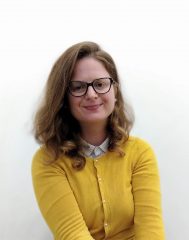
Assoc. Prof. Marina Merkaš
Marina is an associate professor at the Psychology Department of the Catholic University of Croatia, since 2014.
She holds a PhD in family relationships and children’s social competence (2012) from the University of Zagreb.
Her areas of interest, work, and research are in the field of developmental psychology, more specifically individual and contextual determinants of children’s development, especially the effects of parenting and family dynamics on children’s development and the effects of digital technology on child development. She has worked at the 16th Gymnasium in Zagreb, the Clinic for Psychiatry at the University Hospital Center Rijeka, and the Institute of Social Sciences Ivo Pilar in Zagreb.
She educated herself by attending six summer and methodological schools and workshops, and she received sight scholarships for training. She did a part of her dissertation at Ghent University and completed the first part of education for cognitive-behavioral therapists. She has participated in the implementation of 17 projects funded from various sources (e.g., UNICEF, Ministry of Science and Education, Croatian Science Foundation), and she was a leader of two research projects. So far, she has published 30 papers in journals, conference proceedings, and books, two monographs, and two scientific research reports, independently or in co-authorship. She edited the book of abstracts from one conference and has participated in 60 presentations at national and international conferences and was the moderator of two symposiums at the conferences.
She was the president of the Program Committee of the 1st International Scientific Conference of the Department of Psychology at the Catholic University of Croatia and a member of the Senate of the Catholic University of Croatia. She was one of the mentors as part of the SRA COVID-19 Response Team, Society for Research on Adolescence.
She reviewed papers for over 20 national and international journals, she is a member of the Editorial Board of two journals, and she is a member of domestic and international associations such as European Association for Research on Adolescence (EARA), Society for Research on Adolescence (SRA) and European Association for Developmental Psychology (EADP). Since 2007 she has taught developmental psychology at the Catholic University of Croatia and is a mentor on several graduate, specialistic, and doctoral theses at the University of Zagreb, University of Rijeka, and University of Ljubljana. She gave two invited lectures and worked on the popularization of science in the domain of her research interests.
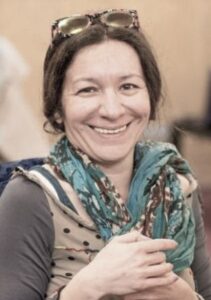
Tihana Brkljačić, PhD, Scientific Advisor (permanent position)
Tihana Brkljačić is a scientific advisor (permanent position) at the Ivo Pilar Institute of Social Sciences.
She has obtained her PhD in 2003 at the University of Zagreb.
Her research interests are in the field of positive psychology with a focus on the effects of using new technologies and the role of play as a determinant of an individual's subjective well-being.
She has extensive experience in conducting quantitative and qualitative research, especially in the field of construction and validation of psychological instruments.
In the last five years, she was the leader of two and a collaborator on six scientific research projects. She led the Croatian part of the international project A phubbing phenomenon – its predictors and consequences in a cross-cultural perspective (The National Center of Science, Poland, 2018-2019) and the domestic project Analysis of media coverage of problematic internet use (Institute Pilar, 2019- 2020). She was a collaborator on the projects Preventing Smoking, Alcohol and Internet addictions among Children and Adolescents: a Family Oriented Training Approach for Adult Learners and Educators (Erasmus+, 2019-2022), Happiness is not in things: the role of the media, parents and peers in shaping of materialism in children (The Catholic University of Croatia, 2023-2023), Socio-psychological determinants and ways to strengthen risk perception due to climate change (The Catholic University of Croatia, 2023-2023), CHILD-WELL - Child well-being in the family context (HRZZ, 2020.-2024), CRO-WELL - Croatian Longitudinal Study of Well-Being (HRZZ, 2015-2019), Croatian Longitudinal Study of Well-Being in the Conditions of the COVID-19 Disease Pandemic (Institute Pilar, 2020-2021).
She was a member of the program board of three international scientific conferences and a member of the editorial board of two conference proceedings books and two scientific books related to the psychological aspects of the use of digital technologies and a member of the Cost action A16207 European Network for Problematic Usage of the Internet. She has published 52 scientific publications independently or in co-authorship, and has presented at around fifty national and international scientific conferences.
She is a member of the Croatian Psychological Chamber and the Croatian Psychological Society.
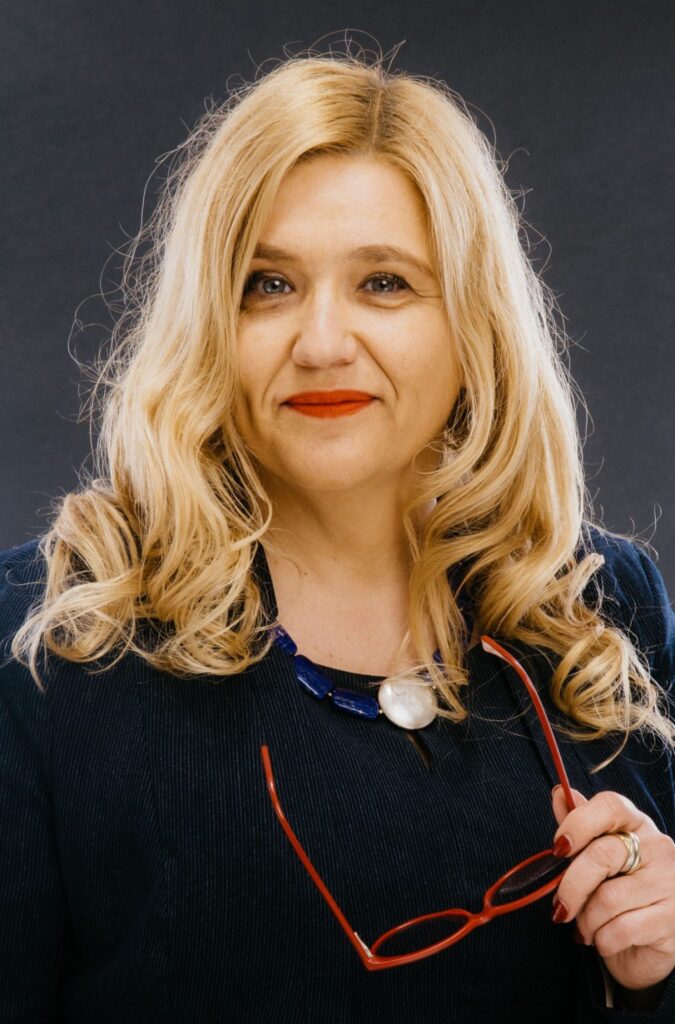
Andreja Brajša-Žganec, PhD, Scientific Advisor (permanent position)
Andreja works in the Ivo Pilar Institute of Social Sciences since 1992. She completed her PhD in psychology at University of Zagreb.
Topic of her dissertation was parental meta-emotions and children's social-emotional development.
Her research interests include research into children's emotional and social competence, protective and risk factors, psychosocial development of children and adolescents, the role of the family in child development, the well-being of children, young people and families, quality of life in the family and school, and the areas of quality of life and well-being of adults, and has rich experience in survey research methodology. The main areas of interest are developmental psychology as well as application in educational psychology and teamwork.
She led three international scientific projects and two domestic ones, and actively participated as a researcher in the implementation of twenty more international (EU FP7, HORIZON 2020, COST, EUROFOND) and twenty domestic scientific research projects. She is the leader of the Croatian Science Foundation's project "Child Well-being in the context CHILD-WELL" and Pilar's scientific project "Adolescents' well-being in key contexts TEEN-WELL" which is financed by the European Union NextGenerationEU and a collaborator in the international project H2020 project "COORDINATE - COhort cOmmunity Research and Development Infrastructure Network for Access Throughout Europe".
She published one scientific monograph independently, three scientific monographs in co-authorship, and three professional books in co-authorship, two of which she edited. She has published over eighty scientific papers and twenty professional papers, as well as a dozen professionally popular papers or reports. Participated with over two hundred papers at international scientific conferences and domestic scientific and professional meetings. List of published works:
https://www.croris.hr/osobe/profil/9129
She is the winner of the state award for science, for a significant scientific achievement, then the "Snježana Biga-Friganović" award of the Croatian Psychological Chamber (HPK) and the social recognition "Marulić: Fiat Psychologia" of the Croatian Psychological Society. She is a member of the Croatian Psychological Society HPD, Croatian Psychological Chamber HPK, and several international associations (International Society for the Study of Behavioral Development (ISSBD), International Society for Quality-of-Life Studies (ISQOLS), European Association for Psychotherapy (EAP). She is the president of the scientific council of the Institute of Social Sciences Ivo Pilar, head of the regional center of the Pilar Institute in Varaždin, head of the section for psychology of marriage, family and partnership HPD, member of the parent board of social sciences, field of psychology, member of the Croatian Academy of Educational Sciences, member of the editorial board of the journal Društvena istraživanja and of the Council of the journal Suvremena psihologija, and she is on the editorial board of two other international and two domestic scientific journals. She has written over a hundred scientific and expert reviews for domestic and international scientific journals, university textbooks and books, and reviewed a number of scientific research projects. As a full professor tenure, she holds and teaches courses in the field of developmental psychology and educational psychology at the University of Zagreb, and is an external associate at the Croatian Catholic University and the University North.

mr. spec. Silvija Mihaljević, clinical psychologist
Silvija is a research member on the project DigiLitA. Works in Elemetary school Antuna Mihanovića in Osijek.
She has a masters degree in clinical psychology in 2006. at the University of Zagreb; Faculty of Philosophy.
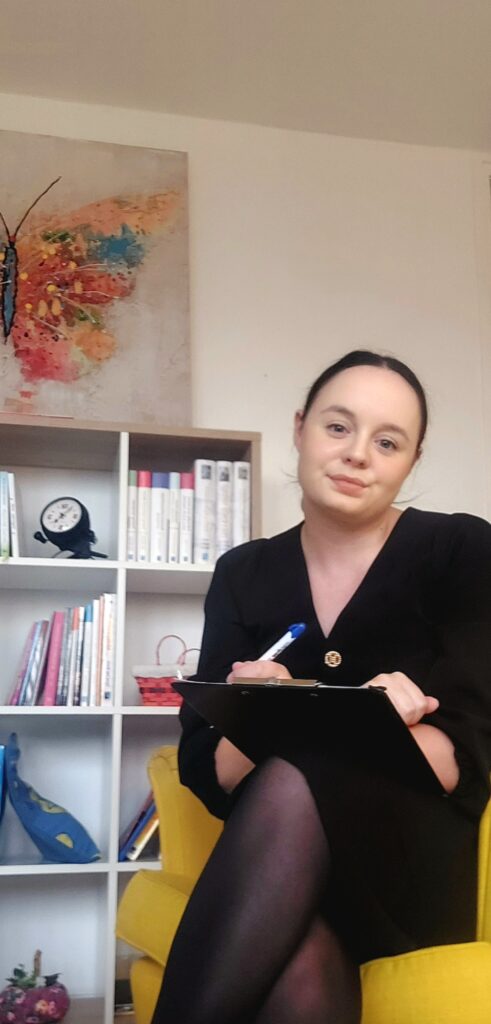
Ana-Marija Ćorić, mag. psych, assistant at the Ivo Pilar Institute of social Sciences, regional centre Osijek
Project member, Ana-Marija Čango, is a research assistant at the Ivo Pilar Institute of Social Sciences since September 2024.
She received her M.A. in Psychology in 2019. at the J. J. Strossmayer University in Osijek, Croatia.
Ana-Marija Čango worked in the field of organizational psychology and human resources. She is in the process of enrolment in the Ph.D. program.
She is a member of the Croatian Psychological Chamber and the Croatian Association for Behavioral-Cognitive Therapies. Ana-Marija has participated in domestic scientific and professional conferences with five presentations and she has also been involved in organizing one conference. Also, she has participated with one presentation in international scientific and professional conference.
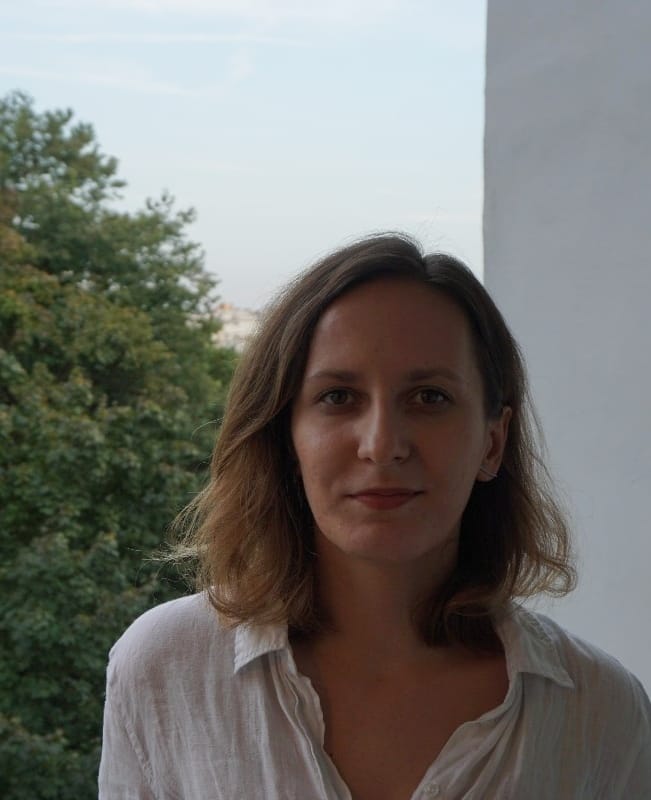
Marija Džida, PhD, senior research assistant
Marija Džida is a senior research assistant at the Ivo Pilar Institute of Social Sciences.
She obtained her PhD in 2023 at the department of Psychology at the Faculty of Humanities and Social Sciences, University of Zagreb.
Her research interests include well-being of parents and children and the socio-emotional development during the transition to adolescence. She worked as a research assistant on a longitudinal project Dobrobit djeteta u kontekstu obitelji Child well-being in the context of the family (CHILD-WELL). Within that project, she conducted her doctoral study –“The role of environmental sensitivity in the relations between family factors, emotion regulation strategies and psychological adjustment in the period of transition to adolescence” which examined emotion socialization processes during the transition to adolescence. She also worked as a teaching assistant at University North and at the Faculty of Croatian Studies, University of Zagreb.“ koje se bavilo socijalizacijom emocija tijekom tranzicije u adolescenciju.
So far, she has prepared several manuscripts about parenting, emotion regulation, and child subjective well-being with different coauthor teams, and published eight research papers. She has participated in over 30 presentations at scientific conferences.
She is a member of the Croatian Psychological Chamber and the European Association for Developmental Psychology.engl. Her research interests include well-being of parents and children and the socio-emotional development during the transition to adolescence. She worked as a research assistant on a longitudinal project Child well-being in the context of the family (CHILD-WELL). Within that project, she conducted her doctoral study – “The role of environmental sensitivity in the relations between family factors, emotion regulation strategies and psychological adjustment in the period of transition to adolescence” which examined emotion socialization processes during the transition to adolescence. She also worked as a teaching assistant at University North and at the Faculty of Croatian Studies, University of Zagreb. So far, she has prepared several manuscripts about parenting, emotion regulation, and child subjective well-being with different coauthor teams, and published eight research papers. She has participated in over 30 presentations at scientific conferences. She is a member of the Croatian Psychological Chamber and the European Association for Developmental Psychology.).
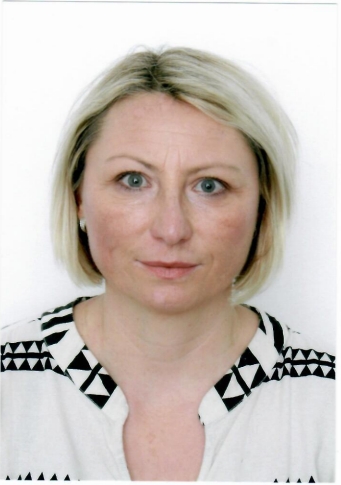
Asst. Prof. Marina Perković Kovačević
Assistant professor Marina Perković Kovačević has been employed in the Department of Clinical Psychology at the Psychiatry Clinic, University Hospital Centre Osijek since 2006.
She earned her PhD in 2019 from the Faculty of Medicine at the J.J. Strossmayer University of Osijek (in the field of biomedicine and health, scientific field of clinical medical sciences).
From 2004 to 2006, she worked as a professional associate psychologist at the Preschool Education Center in Osijek. She has been employed at the Psychiatry Clinic since 2006, during which she spent the first ten years working as a clinical psychologist with children and adolescents, and later with the adult patient population.
Since 2011, she has participated in teaching at the Faculty of Medicine in Osijek, Department of Psychiatry and Psychological Medicine, as an external associate, in various study programs and courses related to psychology and communication. Since 2023, she has been participating in the course "Introduction to Clinical Psychology" in the Psychology program at the Faculty of Humanities and Social Sciences in Osijek.
She participated as an associate in the Croatian segment of the research "Young children (0-8) and digital technology" (European Commission, Joint Research Centre, Institute for the Protection and Security of the Citizen), as well as in the Croatian segment of the international project "KiDiCoTi: A new study on kids’ digital lives during COVID-19 lockdown," led by the Joint Research Centre.
She has published 15 scientific papers, two qualitative studies, co-authored one book, and contributed to writing two university textbooks on psychiatry. She has presented at 40 national and international scientific conferences. She is a member of the Croatian Psychological Chamber and the Croatian Association for Behavioral and Cognitive Therapies.
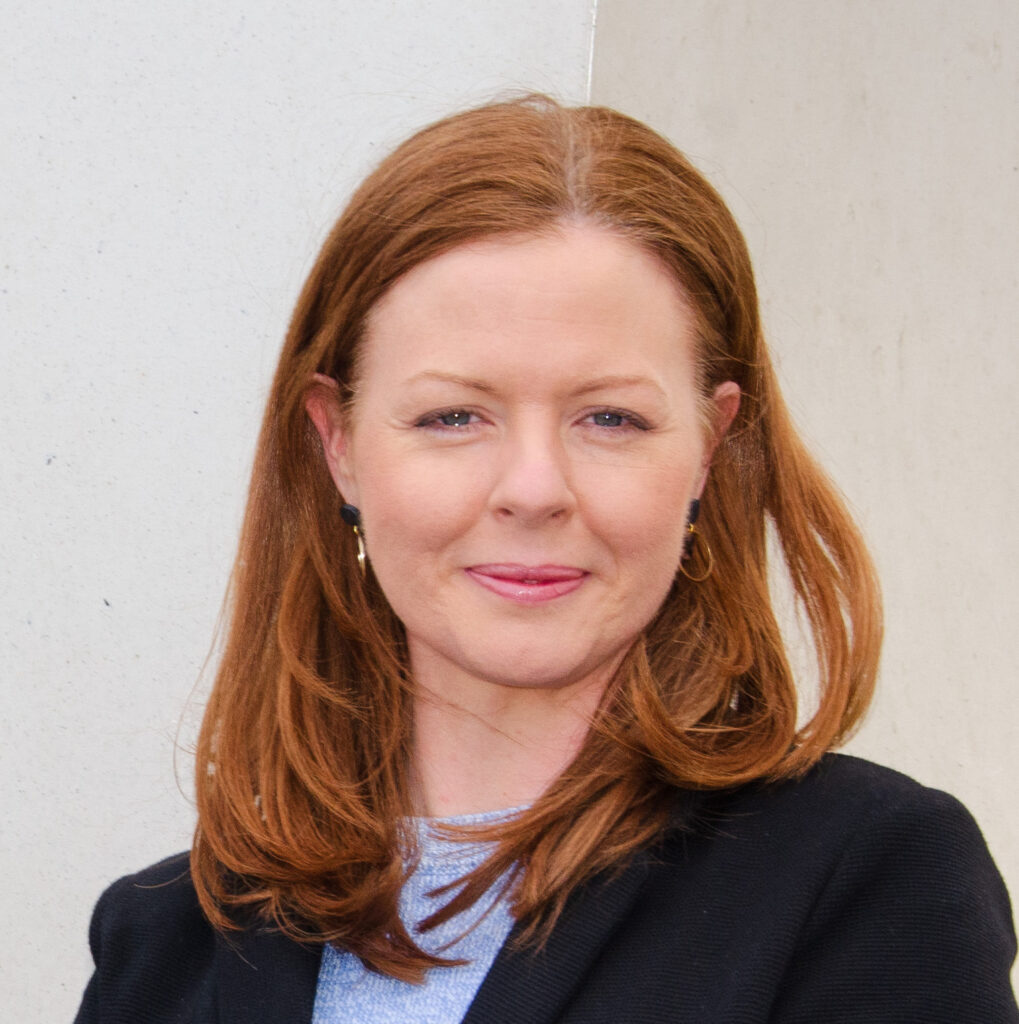
Assoc. Prof. Sinéad McNally
Dr Sinéad McNally is an Associate Professor of Psychology and Early Childhood Education at the Dublin City University (DCU) Institute of Education. She is the leader of Early Language and Learning Lab research group at DCU, which investigates children's development in educational contexts.
Her published research highlights play and shared reading as important contexts for child development and learning, and she has received the President's Award for Research Impact for her research in child development.
Sinéad is Editor-in-Chief of Active Learning in Higher Education, and sits on a number of editorial boards in Early Childhood journals, including International Journal of Early Years Education and, International Journal of Early Childhood, and Journal of Early Childhood Studies.

Dr. Med. Tiffany Munzer
Tiffany Munzer, MD, is a Clinical Assistant Professor at the Developmental Behavioral Pediatrics, University of Michigan C.S. Mott Children’s Hospital.
She is currently involved in a number of projects: Longitudinal Associations of Maternal Mobile Device Use and Maternal-Infant Wellbeing, How Mobile Devices Affect Positive Caregiving Interactions and Infant Development, Reach Out and Read: Addressing post-pandemic stressors, early social-emotional development, literacy, and equity, Reach Out and Read: A pathway to equity, Reach Out and Read: Supporting children’s early literacy.
She is an author of a number of scientific papers, a member of different scientific societies and a recipient of a number of awards and scholarships. Frontiers in Developmental Psychology.
 English (UK)
  Hrvatski